Passages in American Art
The Passages in American Art exhibition at the Portland Museum of Art integrates Atlantic narratives and Indigenous perspectives, challenging existing interpretations of American art. Embracing multiple perspectives and the complexities of American history, the permanent collection reinstallation reimagines the PMA’s collection through a more expansive narrative centered on community voices.
"A new narrative of American art encouraging visitors to engage deeply with the art."
As the interpretation lead and project manager for the exhibition’s community-led initiatives, I developed a comprehensive interpretive strategy that brought community perspectives into the galleries across multiple platforms. Over the course of a year, I co-facilitated an advisory committee of educators, historians, artists, activists, and community members, translating insights from our conversations into the exhibition’s interpretive approach.
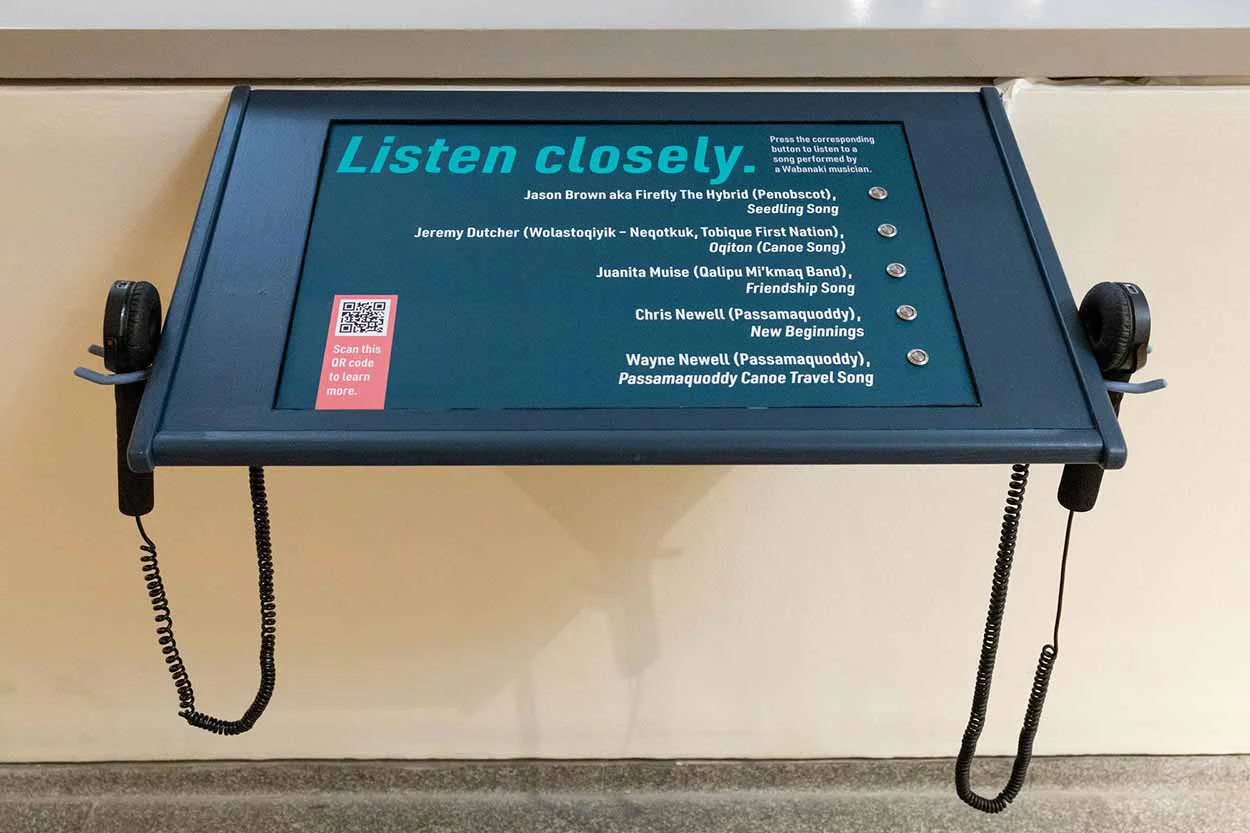
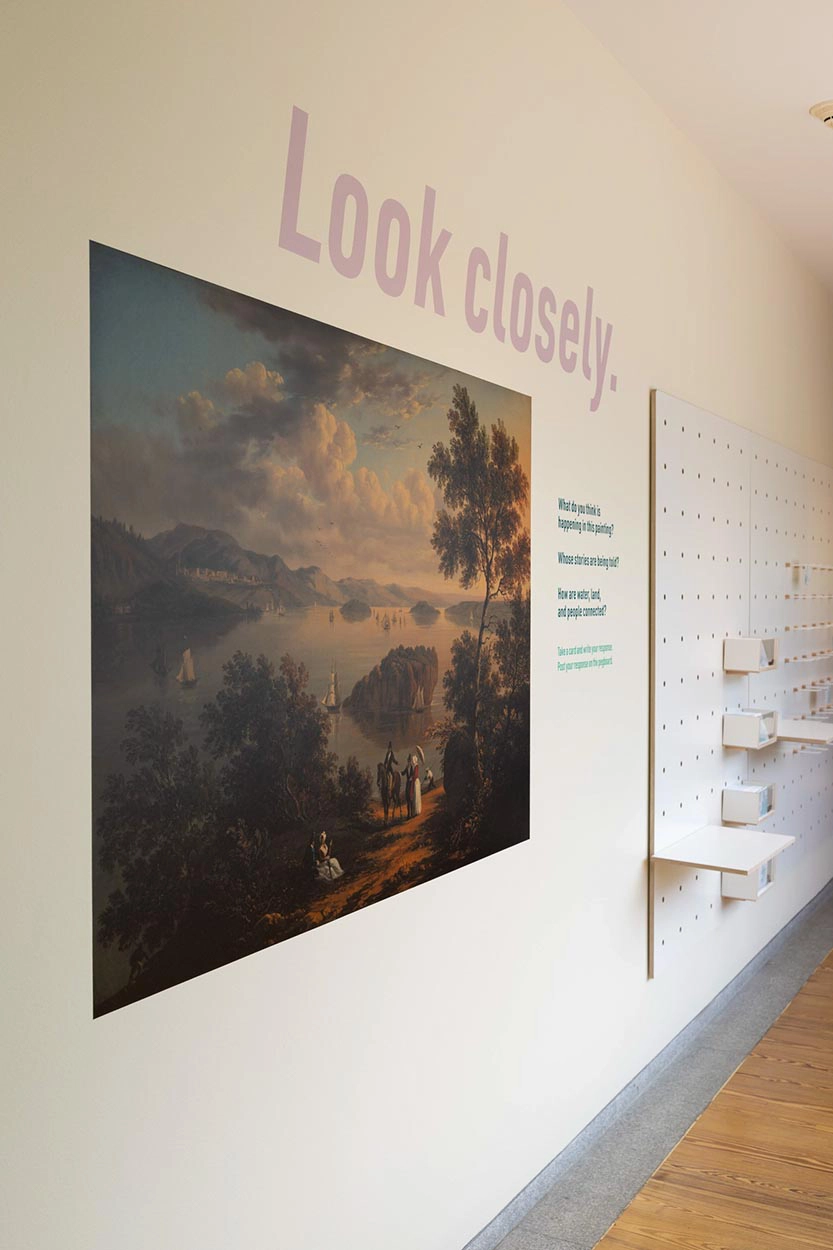
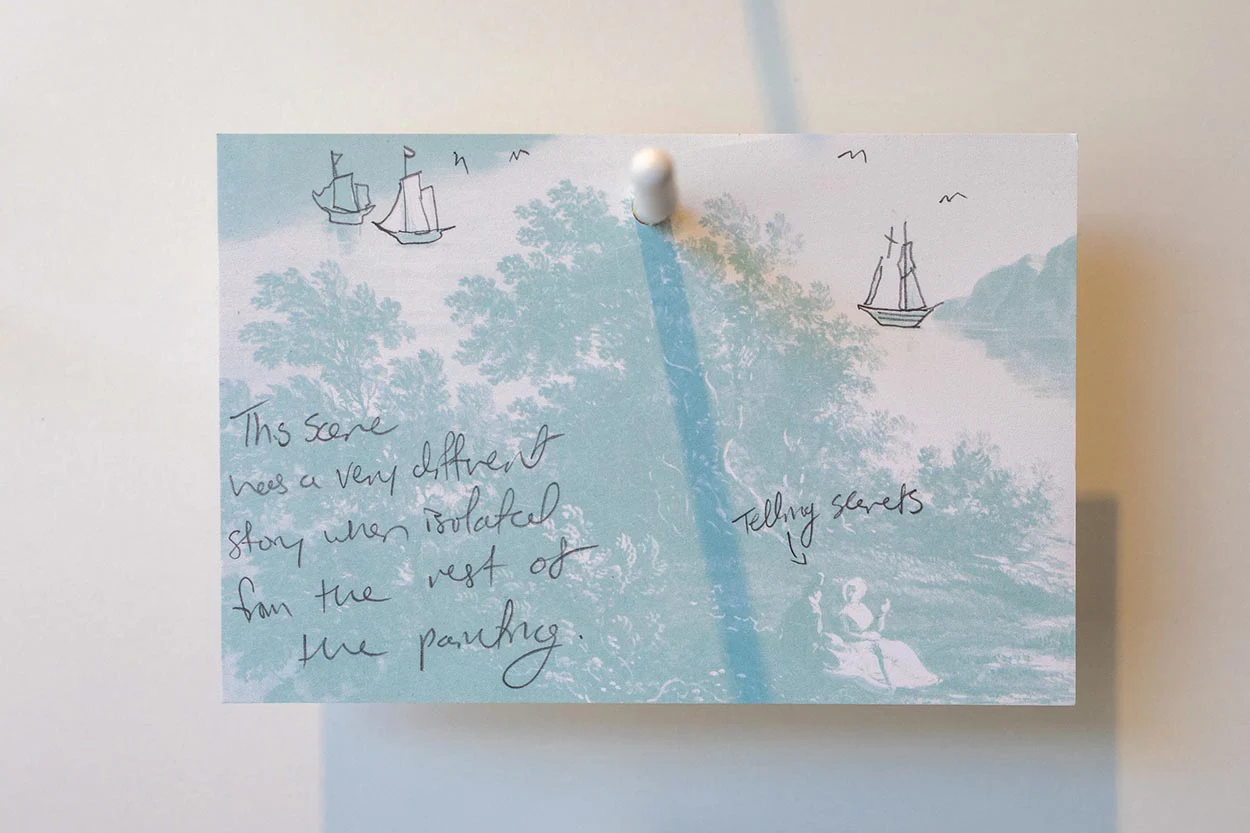
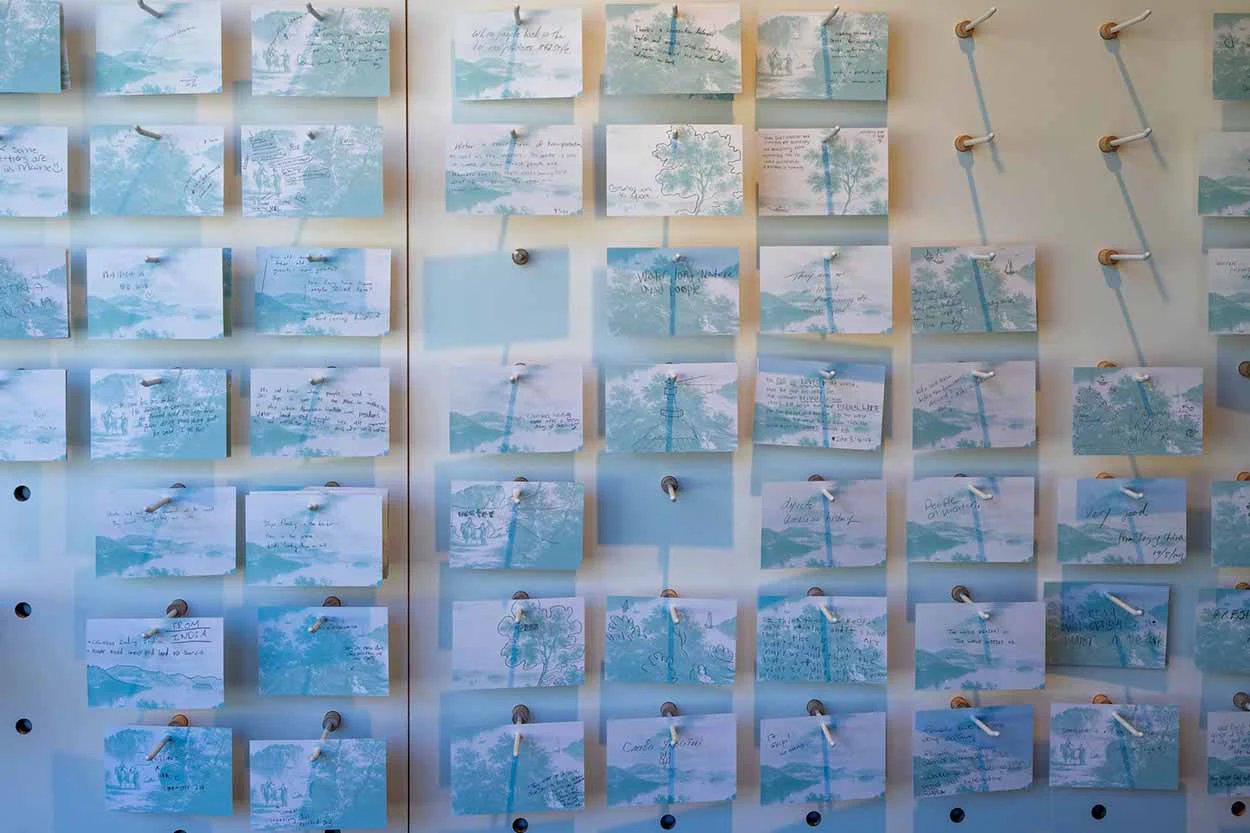
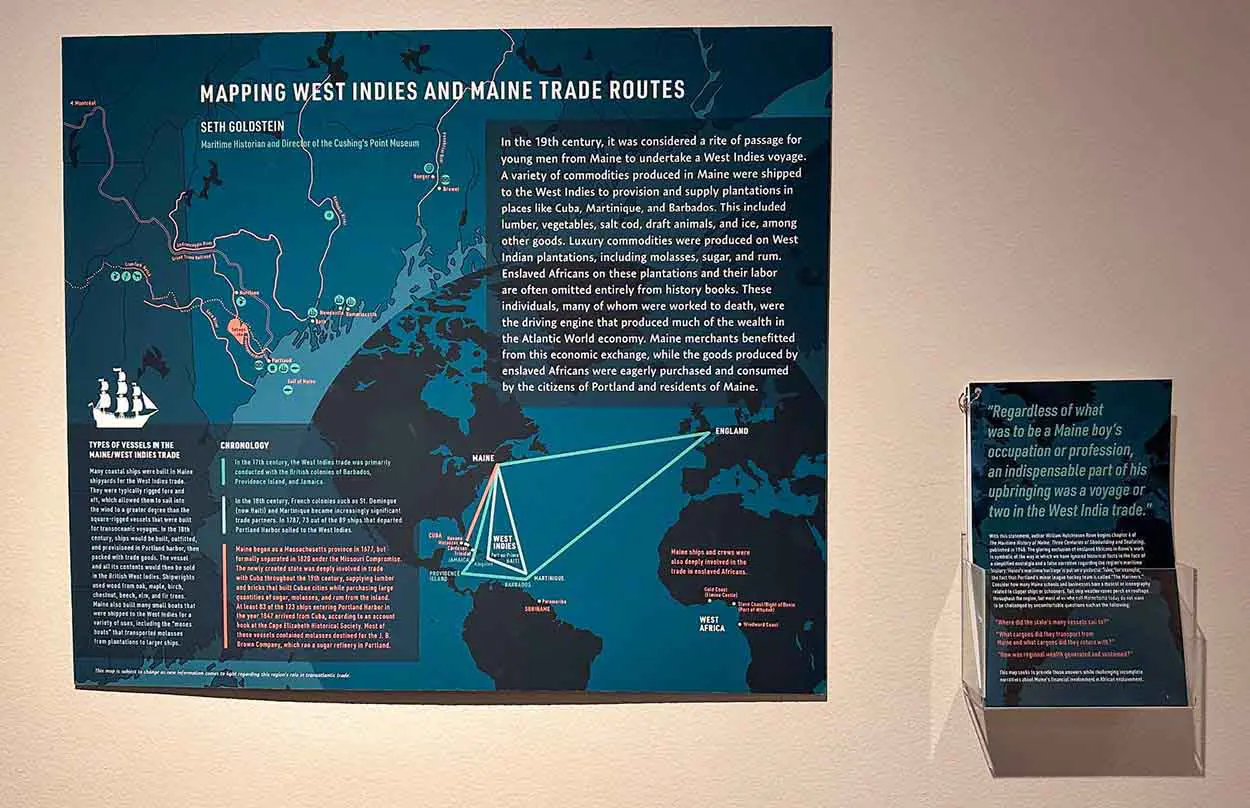
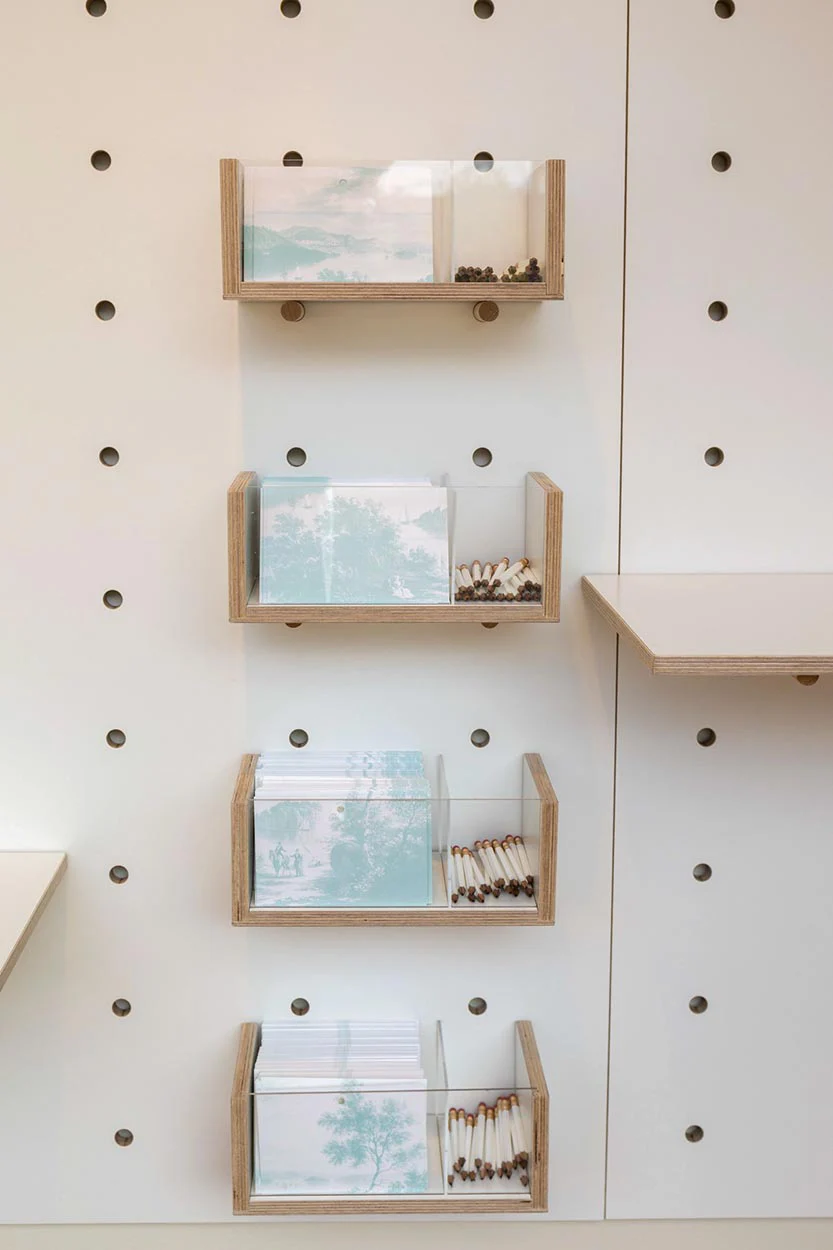
I identified and coordinated contributors, conducting more than 40 interviews with community members, artists, scholars, and other thought leaders. Navigating complex and intersecting narratives, I synthesized and adapted this material into a range of interpretive experiences, including community-authored labels, audio guides, a printed guide, a music kiosk featuring Indigenous musicians, and an in-gallery video. I also developed an interactive audience-response area and a tactile interpretive element to enhance visitor engagement. Working with a local historian, I produced a map tracing Maine’s connections to the transatlantic slave trade, providing additional context for the histories represented in the galleries.
From facilitating community collaboration and conducting interviews to building content and producing interpretive experiences, I translated a wide range of perspectives into a cohesive, multimodal visitor experience. The resulting interpretation invites visitors to encounter American art through multiple voices and consider how histories of place, identity, power, and belonging shape the stories museums tell.